
Composite Bonding vs Porcelain Veneers
Choosing between composite bonding and porcelain veneers can feel confusing, especially when both are often discussed in cosmetic dentistry. At Dental Capital SE, as your local dentist in Oakleigh, patients visit for practical advice, the first step is not choosing a material. It is understanding your teeth, your bite, your oral health, and what you would like to change.
This guide is general information only. It does not replace a dental examination or personalised advice.
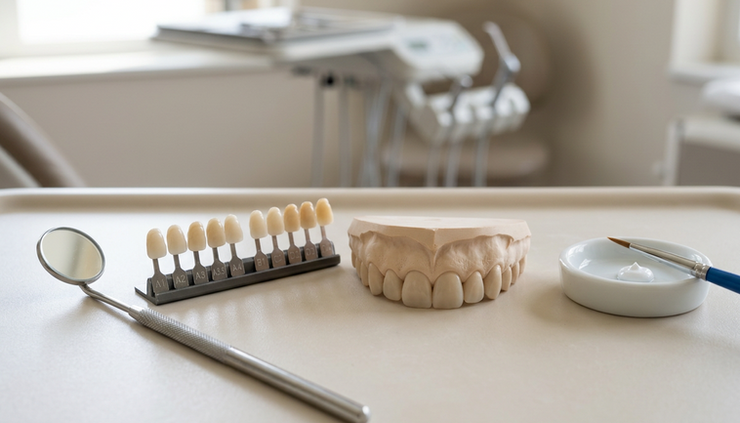
Why a dentist consultation matters before cosmetic treatment
Composite bonding and porcelain veneers can both change the appearance of teeth. They may help with concerns such as:
Small chips or worn edges
Mild gaps between teeth
Tooth shape concerns
Some colour differences
Minor unevenness in visible front teeth
A consultation with a dentist is important because cosmetic treatment should fit your oral health. Before discussing bonding or veneers, a dentist will usually check for tooth decay, gum health, cracks, grinding wear, and how your teeth meet when you bite.
This is especially relevant if you live or work around Oakleigh, Murrumbeena, Hughesdale, Oakleigh East, Oakleigh South, Carnegie, Chadstone or Clayton and want care that is local and easy to return to for reviews.
If there are active dental problems, those usually need attention first. Cosmetic dentistry should be planned on healthy foundations.
What composite bonding involves
Composite bonding uses a tooth-coloured resin material. The dentist shapes and bonds it directly to the tooth. It is commonly used for small changes to tooth shape, edges, or spacing.
In many cases, composite bonding involves little or no removal of natural tooth structure. The dentist selects a shade, prepares the tooth surface, places the resin, shapes it, and sets it with a curing light. The final step is polishing.
Composite bonding may suit relatively minor cosmetic changes. It can be a conservative option when the tooth structure is otherwise healthy.
There are limits. Composite resin can stain over time, especially with coffee, tea, red wine, smoking or vaping. It can also chip or wear, particularly if someone grinds their teeth or bites hard objects such as pens or fingernails.

What porcelain veneers involve
Porcelain veneers are thin ceramic shells made to cover the front surface of teeth. They are usually made outside the mouth after scans or impressions are taken.
Veneers often involve some tooth preparation, although the amount varies. The dentist considers tooth position, enamel thickness, bite forces, colour goals, and the final shape being planned.
Porcelain is more resistant to staining than composite resin. It can also hold its surface finish well when properly cared for. Still, veneers are not maintenance-free. They can chip, debond, or need replacement over time.
Porcelain veneers may be considered when a person wants more significant changes to tooth shape, symmetry, or colour than composite bonding can predictably provide.
A careful discussion is needed before treatment, especially if teeth are heavily filled, worn, crowded, or affected by gum problems.
Composite bonding and porcelain veneers compared
The right choice is personal. There is no single option that suits every mouth.
Feature | Composite bonding | Porcelain veneers |
Material | Tooth-coloured resin | Thin ceramic shell |
Tooth preparation | Often minimal or none | May require enamel preparation |
Appointment process | Often completed directly in the mouth | Usually requires planning and laboratory work |
Stain resistance | May stain over time along the edges | More stain-resistant than resin |
Repairs | Often repairable in the mouth | ususally can not be repaired and needs replace |
Suitability | Often for smaller changes | Often for larger changes |
Maintenance | Regular polishing may help | Regular checks remain important |
This is why Composite Bonding vs. Porcelain Veneers Explained should always include a clinical examination, not just a visual comparison.

Questions patients often ask during cosmetic dental planning
Many patients feel nervous about cosmetic dental care. That is understandable. Teeth are personal, and any change to your smile should be considered carefully.
A dentist may discuss questions such as:
Are the teeth and gums healthy enough for cosmetic treatment?
Would teeth whitening be recommended before choosing a final shade?
Is tooth grinding likely to affect the result?
Are orthodontic options more suitable for tooth position concerns?
How much natural tooth structure may need to be changed?
What maintenance will be needed at home and during check-ups?
A helpful consultation should feel calm and clear. You should have time to ask questions. You should also understand the risks, benefits, alternatives, and likely maintenance before making a decision.
Under Australian health advertising guidelines, no dental clinic should promise a perfect result or suggest that one treatment is risk-free. Every patient’s mouth is different.
Caring for bonding or veneers after treatment
Good home care supports both composite bonding and porcelain veneers. Daily brushing with fluoride toothpaste, flossing or interdental cleaning, and regular dental check-ups all matter.
Try to avoid using teeth as tools. Opening packets, chewing ice, biting nails, or holding pins between teeth can damage natural teeth and cosmetic materials.
If you clench or grind, a dentist may discuss a night guard. This does not guarantee that bonding or veneers will last, but it may help manage excess forces in suitable cases.
Diet and habits also play a role. Composite bonding may stain faster with frequent dark drinks or tobacco use. Porcelain resists stains better, but the surrounding natural teeth and margins still need care.

Local cosmetic dentistry advice in Oakleigh
If you are comparing composite bonding and porcelain veneers, the most useful next step is a dental consultation. Dental Capital SE in Oakleigh can assess your teeth, discuss suitable options, and explain what may be involved in plain language.
Patients from nearby Murrumbeena, Hughesdale, Oakleigh East, Oakleigh South, Carnegie, Chadstone and Clayton often look for local dental care that is practical to attend for planning, treatment and ongoing reviews.
Book a consultation or check-up at the Oakleigh clinic to discuss your concerns, ask questions, and receive advice based on your own teeth and oral health.


