Braces Treatment Process in Oakleigh: What to Expect
Updated: Aug 24
Many people start looking into the braces treatment process in Oakleigh because their teeth feel crowded, their bite feels uneven, or they simply want to feel more comfortable when they smile. At Dental Capital SE in Oakleigh, patients from Murrumbeena, Hughesdale, Oakleigh East, Oakleigh South, Carnegie, Chadstone and Clayton often ask the same question: “What actually happens when I get braces?”
This guide explains braces in clear language so it is easier to understand your options before a dental consultation.
What braces do and who they may help
Braces are orthodontic appliances that guide teeth into improved positions over time. They can help with concerns such as:
Crowded teeth
Gaps between teeth
Rotated or tilted teeth
Overbite, underbite or crossbite
Bite problems that affect chewing or tooth wear
Braces do not move teeth instantly. They work by applying gentle, steady pressure. The bone around the teeth slowly adapts as the teeth move.
A dentist or orthodontic provider will first check whether braces are suitable. Some patients may need gum care, fillings, extractions or other dental treatment before orthodontic care begins. This is one reason a proper examination matters.
The braces treatment process in Oakleigh
The braces treatment process in Oakleigh usually starts with a detailed consultation at Dental Capital SE. This visit helps the dental team understand the condition of the teeth, gums, jaws and bite.
A typical process may include the following steps.
Initial assessment
The dentist checks the teeth, bite, jaw relationship and oral health. X-rays, photos or digital scans may be recommended if needed for diagnosis and planning.
Treatment planning
The dental team explains the findings and discusses suitable options. This may include fixed braces, clear aligners or referral for specialist orthodontic care if a case is more complex.
Placement of braces
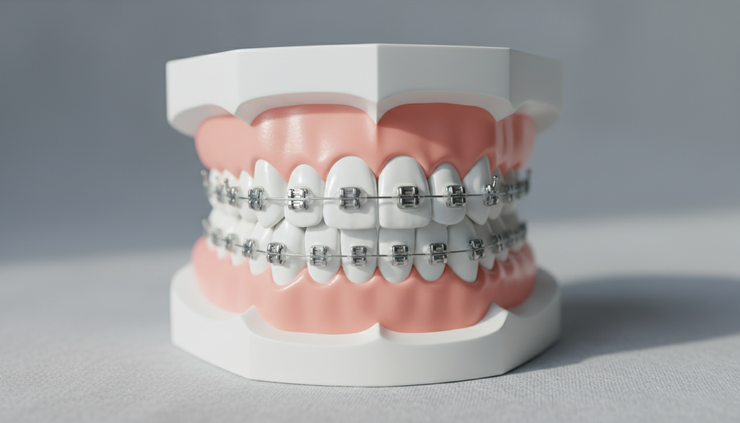
If fixed braces are suitable, small brackets are bonded to the teeth. A wire connects the brackets and helps guide tooth movement.
Adjustment visits
Braces need regular reviews. During these visits, the wire or components may be adjusted. These appointments help guide progress and allow the dentist to check oral hygiene.
Retention after braces
After active treatment, retainers help keep the teeth in their new positions. Teeth can shift over time, so retention is an important part of long-term care.

Types of braces and orthodontic options
Not every patient needs the same appliance. The right option depends on the bite, tooth position, age, oral health and personal preferences.
Common options may include:
Metal braces
These are the traditional fixed braces many people recognise. They are often used for a wide range of tooth and bite concerns.
Ceramic braces
Ceramic brackets can be less noticeable than metal brackets. They still work in a similar way, using brackets and wires.
Clear aligners are an alternative way to correct crowding, spaces and bite problems. They are removable trays that move teeth in planned stages. They may suit some mild to moderate cases, but they are not ideal for every bite concern.
The most suitable choice should be based on clinical assessment, not only appearance. A dentist in Oakleigh can explain what is realistic for your teeth and bite.
What braces feel like day to day
It is normal for teeth to feel tender after braces are placed or adjusted. This usually settles as the mouth adapts. Soft foods can help during these periods.
Braces may also rub the cheeks or lips at first. Orthodontic wax can reduce irritation while the soft tissues adjust.
Good home care matters during braces treatment. Food and plaque can get trapped around brackets, so brushing takes more time.
Helpful habits include:
Brushing carefully around each bracket
Cleaning along the gumline
Using interdental brushes if recommended
Limiting sticky foods that can pull on brackets
Attending regular dental checks and cleans
Patients from nearby suburbs such as Hughesdale, Carnegie, Chadstone and Clayton often choose a local Dentist Oakleigh provider because regular adjustment visits are easier to manage when the clinic is close to home, work or school.

How long braces treatment may take
Treatment time varies. It depends on how much the teeth need to move, the type of bite concern, age, growth factors, oral health and how well appointments and home care are followed.
Some cases are shorter. More complex bite correction can take longer. A dental professional can only estimate timing after checking the mouth and reviewing suitable records.
It is also normal for a plan to change slightly during treatment. Teeth do not always move at the same rate for every person. Regular reviews help the dental team monitor progress and make changes when needed.
Why local dental care matters in Oakleigh
Braces care is not just one appointment. It involves planning, fitting, reviews, oral hygiene support and retainers.
Dental Capital SE provides dental care for patients in Oakleigh and surrounding areas including Murrumbeena, Oakleigh East, Oakleigh South, Carnegie, Chadstone, Hughesdale and Clayton. Having a local clinic can make it easier to attend regular reviews and ask questions if something feels wrong, such as a loose bracket or poking wire.
When choosing a provider, look for clear communication, proper consent, realistic expectations and a treatment plan that explains risks, benefits and alternatives.

A simple next step
Braces can improve tooth alignment and bite function for many people, but the right plan is different for every patient. The safest starting point is a personalised assessment.
If you are considering braces treatment in Oakleigh, Dental Capital SE can assess your teeth, explain suitable options and help you understand what may be involved. This article is general information only and does not replace individual dental advice.
Disclaimer: his information is general and does not replace an individual dental examination, diagnosis or treatment plan. Results, risks and treatment times vary between patients.