
How Long Should You Wear Orthodontic Retainers For? Oakleigh Dentist Guide
Updated: Aug 8
For many patients at Dental Capital SE in Oakleigh, completing orthodontic treatment is an exciting milestone. Whether teeth were straightened using braces or clear aligners, the final phase which we refer to as RETENTION is just as important as the active treatment. A common question patients ask is: “How long do I need to wear my orthodontic retainer for?”
This article provides a clear, factual overview to help you understand the role of retainers, typical wearing timelines, and why long-term retention is a standard part of modern orthodontic care. The information below is general in nature and should be discussed with a qualified dental practitioner.

Why Retainers Are Essential After Orthodontic Treatment
Teeth naturally move over time, even after braces or aligners have straightened them, the surrounding gums, bone, and ligaments continue to adapt. Without a retainer, there is a possibility the teeth may gradually shift.
Retainers help:
Maintain the new position of teeth
Minimise the chance of unwanted relapse
Patients visiting our Oakleigh clinic often find that understanding this process helps them stay consistent with wearing their retainers.
How Long Should You Wear Your Retainers?

The simple answer is, "for as long as you want your teeth to remain straight "
The below staged approach is generally recommended;
1. Full-Time Wear (Immediately After Treatment)
In the first few months after completing orthodontic treatment, teeth are more prone to movement. Retainers are typically worn full-time, except when eating, brushing, or as directed by your dentist.
2. Transition to Night-Time Wear
After the stabilisation period, many patients transition to night-only wear. This phase usually continues for several months to a few years, depending on individual needs.
3. Long-Term or “Lifetime” Night Wear
Teeth may shift throughout life due to natural ageing, grinding habits, or gum changes. Because of this, many clinicians recommend ongoing night-time wear to help maintain alignment long term.
This does not mean wearing a retainer every single night forever, but rather understanding that periodic or ongoing wear may help maintain stability.
Types of Retainers and Their Considerations
Different retainers can influence how long and how frequently they should be worn.
Clear Removable Retainers

Designed to be worn regularly
Clear and discreet
May require replacement periodically
Patients appreciate their comfort and appearance, especially for night-time use.
Wire-Bonded Retainers (Fixed Retainers)
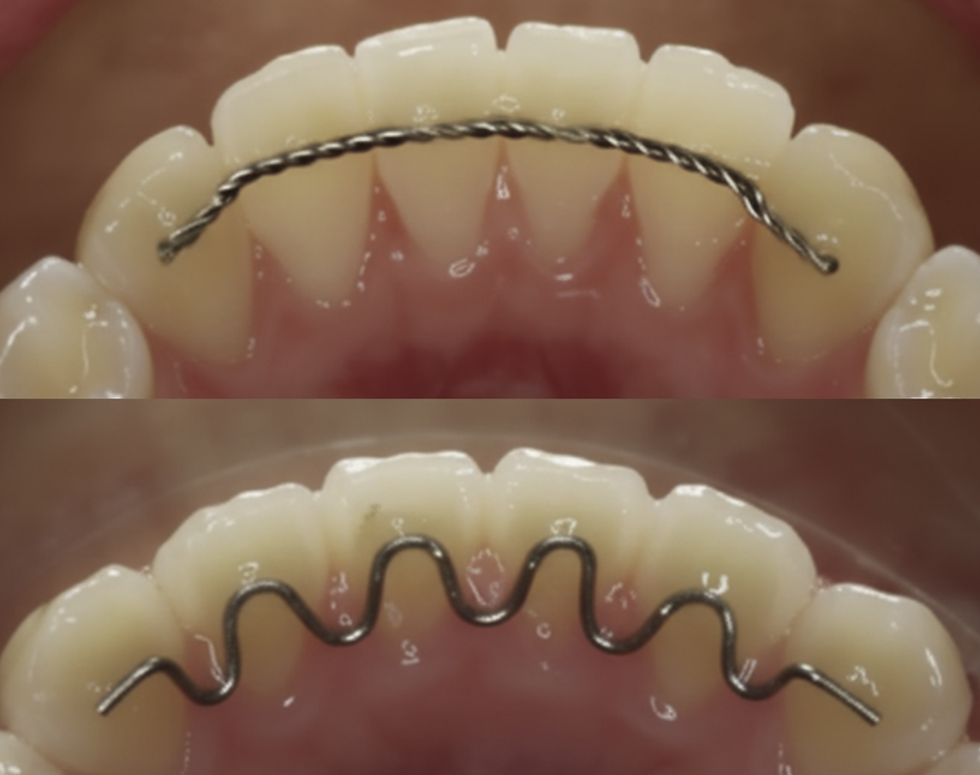
A thin wire is bonded behind the teeth
Stays in place long term
Requires cleaning with good flossing technique
Fixed retainers reduce the need for full-time wear of removable retainers but may still be paired with a nighttime removable retainer for added stability.
Signs Your Retainer Needs Review
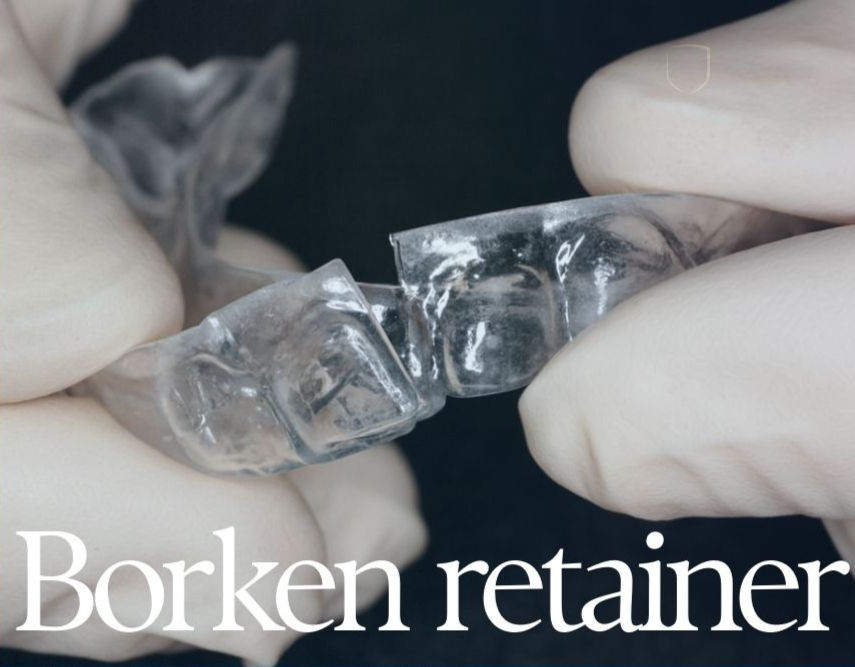

Patients at our Oakleigh dental clinic sometimes contact us when they notice:
The retainer feeling tighter than usual
Cracks or warping in a clear retainer
Difficulty fitting the retainer after missing a few nights
Mild tooth movement
Broken or detached fixed wires
If this occurs, a dental assessment is recommended.
Maintaining Your Retainers
Retainers typically last longer when they are cared for properly. Cleaning with recommended products, avoiding hot water, and storing retainers safely all help reduce damage.
Regular check-up at our dental clinic in Oakleigh, allows us to monitor any changes.
A Balanced Perspective on Retainer Wear
Consistency is key, but flexibility exists depending on individual circumstances. Your dentist or orthodontist can provide personalised advice, which may differ from general guidance.
Conclusion
Wearing retainers is an important part of keeping your teeth aligned after orthodontic treatment. While the timeline varies from person to person, long-term night wear is a commonly recommended approach to help maintain results. If you have questions about your retainers or require a review, a qualified dental practitioner can provide guidance tailored to your needs.
The information provided in this blog is general in nature and does not substitute professional advice. Treatment outcomes and recovery times vary for each individual. Always seek advice from a qualified AHPRA-registered dental practitioner and consider a second opinion before proceeding with any treatment. This content is intended for adults and for educational purposes only.


